Exploring the intersection of materials, chemistry, and design.
: All animal-based products (meat, dairy, eggs) and processed foods, specifically highlighting the avoidance of added oils and refined sugars. Impact and Legacy
Since its debut, Forks Over Knives has transitioned from an indie documentary to a broad lifestyle brand.
: A nutritional biochemist at Cornell University and lead scientist of The China Study , a massive epidemiological project that linked high animal protein consumption to increased rates of chronic disease.
The film's narrative is anchored by the independent research of two prominent figures:
Released in 2011, is a landmark American documentary that challenges the modern healthcare paradigm by advocating for a whole-food, plant-based (WFPB) diet . Directed by Lee Fulkerson and produced by Brian Wendel, the film presents the provocative claim that chronic "diseases of affluence"—such as heart disease, type 2 diabetes, and certain cancers—can be prevented, halted, or even reversed through nutrition rather than surgical or pharmacological intervention. Core Arguments and Scientific Foundation
The title itself serves as a metaphor for choosing the "fork" (preventative nutrition) over the "knife" (surgery as a last resort).
No upcoming events scheduled.
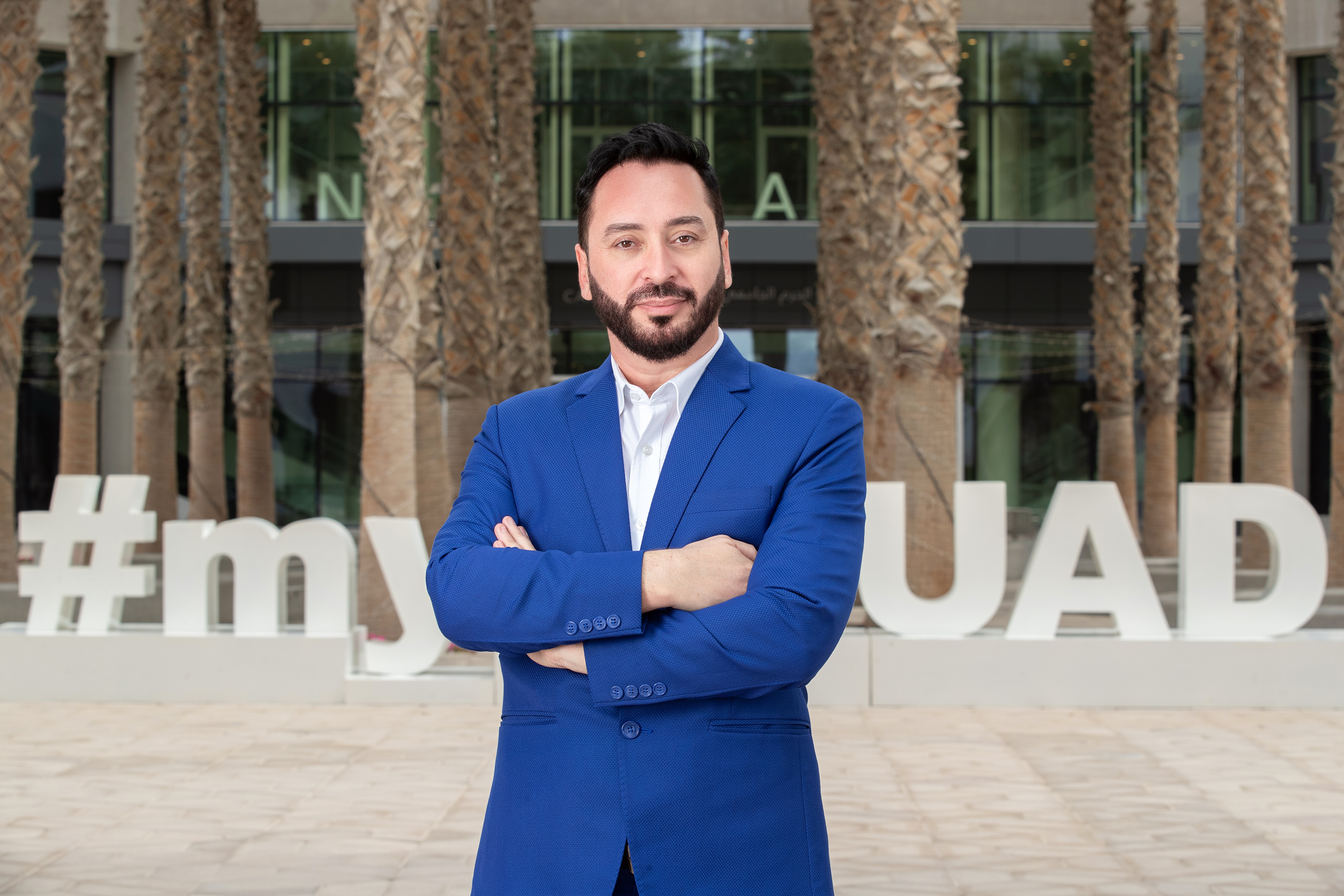
Principal Investigator, Professor of Chemistry
Panče Naumov leads the Smart Materials Lab and the Center for Smart Engineering Materials at NYUAD. His group is internationally recognized for pioneering crystal adaptronics and advancing adaptive molecular solids, with applications in sensing, robotics, optics, and energy systems.
Meet the Team: All animal-based products (meat, dairy, eggs) and processed foods, specifically highlighting the avoidance of added oils and refined sugars. Impact and Legacy
Since its debut, Forks Over Knives has transitioned from an indie documentary to a broad lifestyle brand.
: A nutritional biochemist at Cornell University and lead scientist of The China Study , a massive epidemiological project that linked high animal protein consumption to increased rates of chronic disease.
The film's narrative is anchored by the independent research of two prominent figures:
Released in 2011, is a landmark American documentary that challenges the modern healthcare paradigm by advocating for a whole-food, plant-based (WFPB) diet . Directed by Lee Fulkerson and produced by Brian Wendel, the film presents the provocative claim that chronic "diseases of affluence"—such as heart disease, type 2 diabetes, and certain cancers—can be prevented, halted, or even reversed through nutrition rather than surgical or pharmacological intervention. Core Arguments and Scientific Foundation
The title itself serves as a metaphor for choosing the "fork" (preventative nutrition) over the "knife" (surgery as a last resort).
We are proud that the Smart Materials Lab is the leading team in impactful chemistry research in the United Arab Emirates, with research output that, according to the Nature Index, accounts for 40‒60% of the total chemistry publications within the country, both in fractional count and weighed fractional count. The past and current research projects in the Smart Materials Lab have been sponsored by Abu Dhabi National Oil Company (ADNOC), Abu Dhabi Education Council (ADEC), Human Science Frontier Program Organization (HFSPO), and the UAE National Research Foundation (NRF), in addition to generous financial support from NYUAD and the NYU Abu Dhabi Institute. The members of the Smart Materials Lab work closely with NYUAD's Center for Smart Engineering Materials (CSEM).