Yes, you can increase your chances of success with IVF!
Infertility has sadly become a global crisis. There are a lot more fertility options today than people ever had access to before….
15 Min FREE Consultation Book Now
Sayyid Qutb (written during his imprisonment).
Kamacı provides a Turkish interpretation that maintains the original spiritual gravity while making it accessible to a Turkish-speaking audience. Key Themes of the Song Mustafa KamacД±В Ehi Ente Hurrun
The song is based on a famous Arabic poem titled "," originally written by the influential Egyptian thinker and author Sayyid Qutb . Qutb penned these verses while imprisoned, using the metaphor of physical chains to highlight that a believer's spirit remains free as long as it is connected to God. Sayyid Qutb (written during his imprisonment)
The track is a staple in the world music and religious genre, available on Spotify and Apple Music . It is often used in social and political contexts to represent struggle and hope, such as being shared in tribute to figures like Mohamed Morsi or in the aftermath of major political events in Turkey. Play KEHKEŞAN by Mustafa Kamacı on Amazon Music Qutb penned these verses while imprisoned, using the
Encouraging "brothers" to remain patient and strong despite being "bound in chains".
"" (meaning " Brother, You Are Free ") is a poignant nasheed (Islamic song) performed by the Turkish artist Mustafa Kamacı that focuses on themes of spiritual liberation and steadfastness. Released on June 13, 2016, as part of his album Kehkeşan , the song has gained significant popularity for its emotional depth and its message of inner freedom even in the face of physical oppression. Historical and Cultural Context

Infertility has sadly become a global crisis. There are a lot more fertility options today than people ever had access to before….

Acupuncture for fertility has been used to boost reproductive health for centuries. It is only in the last few years that Traditional Chinese Medicine (TCM) and Acupuncture have become mainstream for improving fertility.

What is PCOS? Polycystic Ovarian Syndrome (PCOS) is a metabolic disorder affecting 1 in 10 women in their reproductive years. Poly means…

Substance consumption is a common part of modern life, with caffeine, alcohol, and tobacco widely used in social and personal settings. The…

Breech presentation occurs when a baby is positioned feet or bottom first in the womb, rather than head-down. This can complicate the…
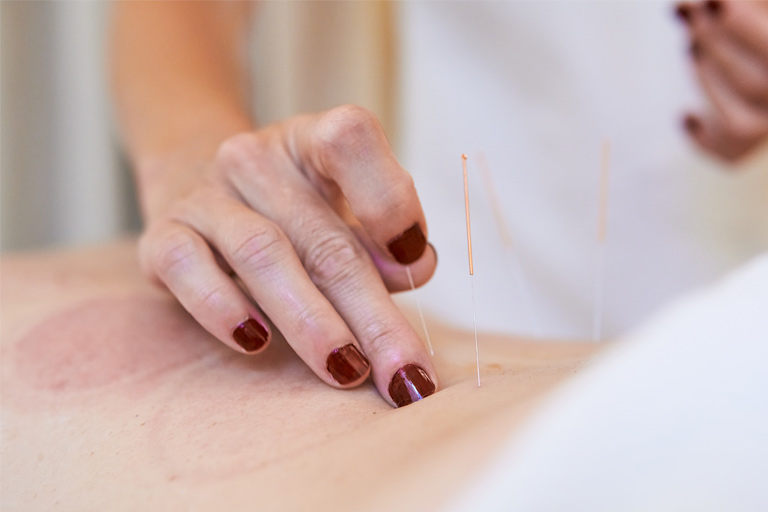
Traditional Chinese Medicine (TCM), with its rich history and holistic approach, offers a unique lens through which to view and nurture women’s…