Search Products & Tools

The primary driver behind the success of "We Buy Houses" companies in California is the promise of an expedited, "as-is" sale. In a traditional California real estate transaction, a seller might spend weeks preparing a home for the market—investing in staging, repairs, and cosmetic upgrades to compete for buyers. Even after finding a buyer, the process is often delayed by home inspections, appraisals, and complex financing contingencies that can take 30 to 60 days to close.

The proliferation of "We Buy Houses" signs and digital ads across California also has broader socio-economic implications. By purchasing lower-tier housing stock, renovating it, and selling it at a premium (or converting it into high-priced rentals), these investors contribute to the overall rise in property values. While this improves the physical condition of neighborhoods, it also tightens the supply of "starter homes" available to first-time buyers, further exacerbating California’s ongoing housing crisis.

In California’s notoriously fast-paced and expensive real estate market, the rise of "We Buy Houses" companies has fundamentally altered how many homeowners approach the selling process. These firms, often referred to as real estate investment groups or "iBuyers," offer an alternative to the traditional residential sale. By prioritizing speed, convenience, and certainty over top-market valuation, these entities have carved out a significant niche in the Golden State, providing a vital exit strategy for distressed sellers while simultaneously fueling debates about housing affordability and neighborhood stability. The Appeal of Speed and Simplicity

While the convenience is undeniable, it comes at a clear financial cost. These companies operate on a business model that requires purchasing properties at a discount—often 70% to 80% of the Fair Market Value (FMV) after repair costs are factored in. In high-value regions like the San Francisco Bay Area or Los Angeles, this "convenience fee" can translate to tens or even hundreds of thousands of dollars in lost equity for the homeowner.

"We Buy Houses" companies represent a pragmatic, if polarizing, response to the complexities of the California real estate market. They provide essential liquidity and a "no-fuss" exit for homeowners in difficult situations, effectively trading equity for time. However, their presence also highlights the growing difficulty for average citizens to compete in a market increasingly dominated by institutional capital. As California continues to grapple with housing shortages, the role of these professional buyers will remain a critical, albeit controversial, component of the state’s property landscape.

The Evolution and Impact of "We Buy Houses" Companies in California
GainTools EDB to PST Converter

An advanced program to convert Exchange mailboxes to PST

Direct Conversion

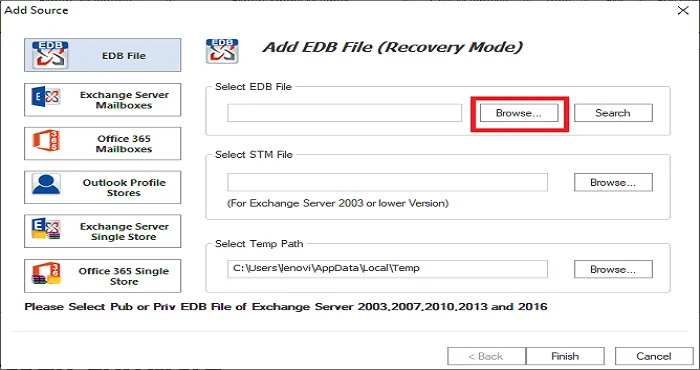
One can directly convert Exchange mailboxes to PST file format without using any additional program. In a few steps, EDB files are converted to PST file to open in MS Outlook.

Easily operate by non-tech users

This is the best and convenient solution to be easily operated by non-tech users. No prior technical skills are needed to use Exchange to PST Converter.

Free Demo edition

A trial version of the software is available to evaluate the functions of the program. Once users find this program suitable for them, they can simply get the license keys.

We Buy Homes California File

The primary driver behind the success of "We Buy Houses" companies in California is the promise of an expedited, "as-is" sale. In a traditional California real estate transaction, a seller might spend weeks preparing a home for the market—investing in staging, repairs, and cosmetic upgrades to compete for buyers. Even after finding a buyer, the process is often delayed by home inspections, appraisals, and complex financing contingencies that can take 30 to 60 days to close.

The proliferation of "We Buy Houses" signs and digital ads across California also has broader socio-economic implications. By purchasing lower-tier housing stock, renovating it, and selling it at a premium (or converting it into high-priced rentals), these investors contribute to the overall rise in property values. While this improves the physical condition of neighborhoods, it also tightens the supply of "starter homes" available to first-time buyers, further exacerbating California’s ongoing housing crisis. we buy homes california

In California’s notoriously fast-paced and expensive real estate market, the rise of "We Buy Houses" companies has fundamentally altered how many homeowners approach the selling process. These firms, often referred to as real estate investment groups or "iBuyers," offer an alternative to the traditional residential sale. By prioritizing speed, convenience, and certainty over top-market valuation, these entities have carved out a significant niche in the Golden State, providing a vital exit strategy for distressed sellers while simultaneously fueling debates about housing affordability and neighborhood stability. The Appeal of Speed and Simplicity The primary driver behind the success of "We

While the convenience is undeniable, it comes at a clear financial cost. These companies operate on a business model that requires purchasing properties at a discount—often 70% to 80% of the Fair Market Value (FMV) after repair costs are factored in. In high-value regions like the San Francisco Bay Area or Los Angeles, this "convenience fee" can translate to tens or even hundreds of thousands of dollars in lost equity for the homeowner. The proliferation of "We Buy Houses" signs and

"We Buy Houses" companies represent a pragmatic, if polarizing, response to the complexities of the California real estate market. They provide essential liquidity and a "no-fuss" exit for homeowners in difficult situations, effectively trading equity for time. However, their presence also highlights the growing difficulty for average citizens to compete in a market increasingly dominated by institutional capital. As California continues to grapple with housing shortages, the role of these professional buyers will remain a critical, albeit controversial, component of the state’s property landscape.

The Evolution and Impact of "We Buy Houses" Companies in California
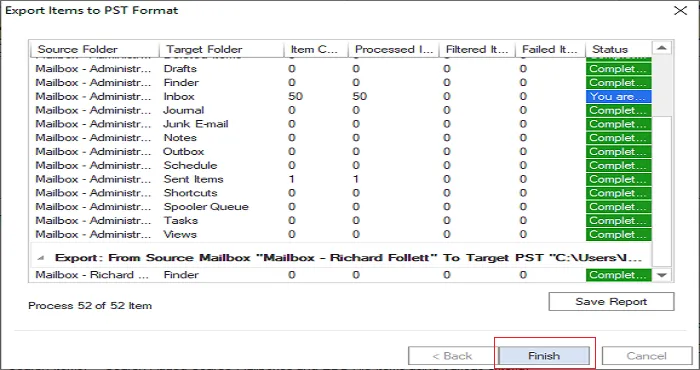
EDB to PST Migration Procedure Images

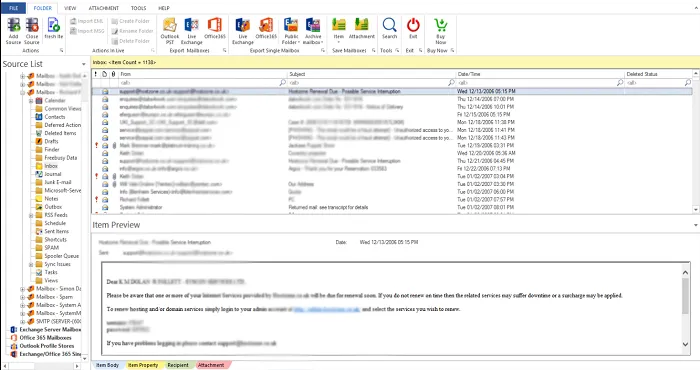
Step-by-step visual guide to Migrate EDB to PST files

How to Use EDB to PST Converter Software

Watch our comprehensive tutorial to learn how to migrate EDB to PST files in just a few simple steps

MBOX Converter Tutorial Video

Watch Tutorial

Learn how to use Migrate EDB to PST files step by step

Video Tutorial

Step-by-Step Guide

Complete walkthrough of the use EDB to PST Conversion process

Easy to Follow

Simple instructions for all skill levels

Quick Results

See how fast the use EDB to PST Conversion process is

EDB to PST Converter Tool Free Download

Software Name
GainTools EDB to PST Converter Software
Version
1.0
File Size
24.01 MB
Operating System
Windows 11/10/8.1/8/7 (64-bit & 32-bit)
Download a Trial

Take the tool to evaluate by converting 10 emails from EDB to PST Converter folder.

Compatibility & Format

Input Formats
EDB
Output Formats
PST, EML, EMLX, MSG
License
TRIAL + FULL
Language
English

System Requirements

Processor
1 GHz or faster
RAM
Minimum 512 MB
Hard Disk
100 MB free space
Display
1024x768 resolution

Client’s Views about EDB to Outlook PST Converter

See what our satisfied customers have to say about their experience with our MBOX conversion tool

"From past few days, I was in search of an effective solution to export my Exchange EDB file to PST file format. I am glad to have this application. Thank you GainTools for this smart and easy handling application."

AJ

Allen Jhonson

"Wow! Truly amazing application to use. It made it possible to export EDB data to PST format in a few simple clicks. Kudos to the developers for such a nice development."

MC

Mark Curran

"Last month, I purchased your software and I am surprised by how well it performed EDB PST Conversion for such a reasonable price. Thank You!"

SM

Sarena Morkel

Business Owner